About
From the Low Lands to Los Angeles.
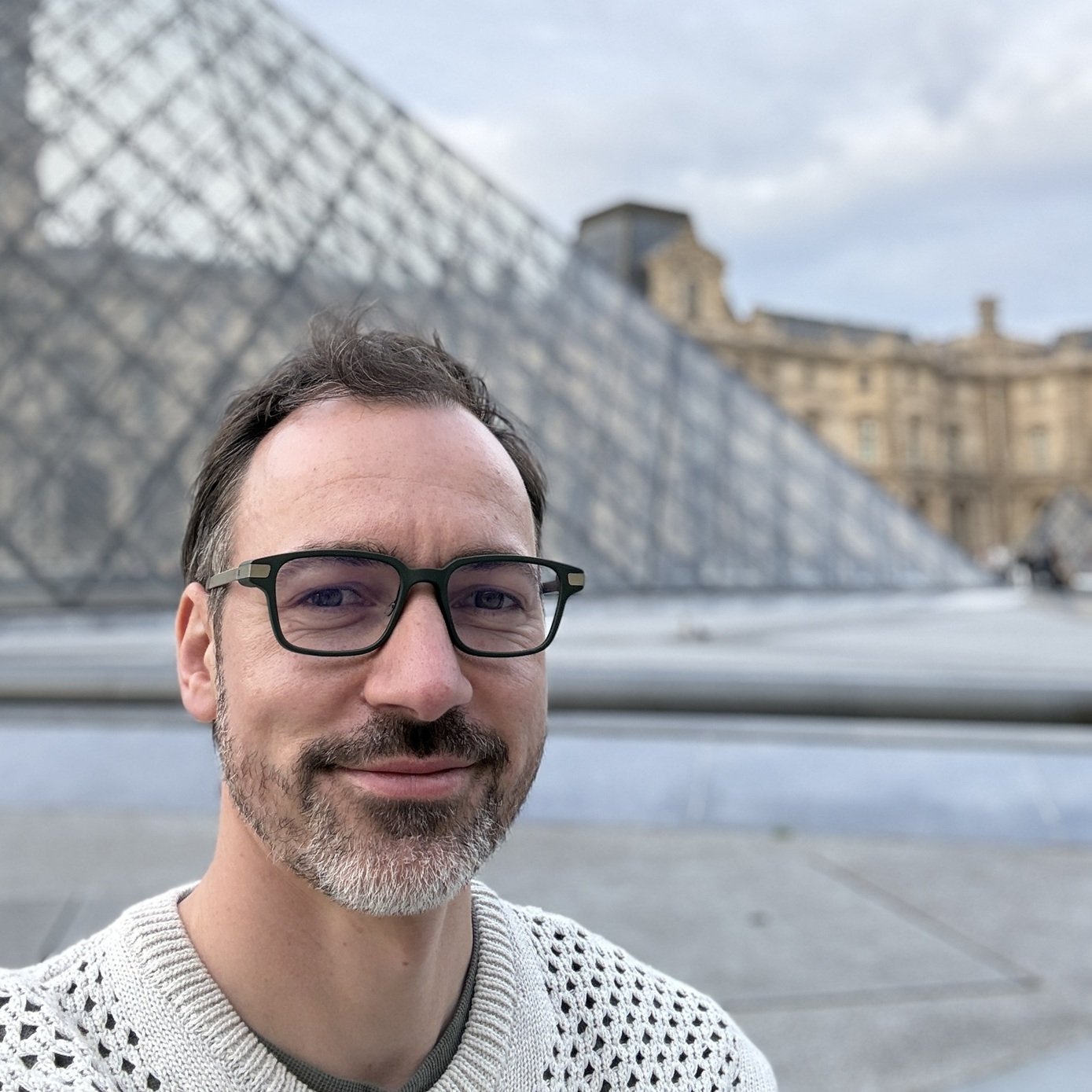
Growing up in the Netherlands, I was the kid who would take different building kits and come up with my own hybrid creations. This ‘out-of-the-box’ thinking has stuck with me ever since. Instead of following convention or focusing on the obvious, I always find great value in taking a step back and (re-)considering the big picture.
My Bachelor's in Electrical Engineering introduced me to the concept of black box thinking, which means considering the input and output signals of a system to figure out the inner workings.
To me, that is the essence of Human-Centered Design (HCD). It is paramount that you fully understand the user's capabilities and desired outcomes, before you can successfully design a product or service for them.
This rings true more than ever in the age of spatial computing and AI.

The human was always the variable that mattered most.
My Master's in Human-Technology Interaction made that explicit. Studying new fields such as perception, cognition, and social psychology, I became fascinated by how people perceive their environment, make decisions, act out their objectives, and how they form trust with systems they can't fully see or understand. My thesis on the Antecedents of System Trust revealed that in a trade-off, people favor shared values over raw competence. That finding has shaped how I approach every product I've worked on since: trust is earned through alignment, not just capability.
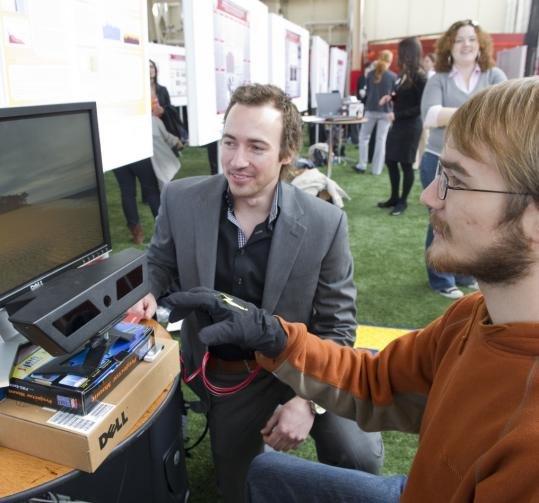
My PhD in Industrial Engineering at Northeastern University (NEU) pushed that further into the physical world. Combining eye-tracking with a custom-built biosensor data glove with a gamified virtual environment, I developed a multimodal adaptive interface that worked with patients' physical abilities. It demonstrated an ability to restore computer access through gestures and eye-gaze, while enabling performance monitoring for the purpose of telerehabilitation.
My dissertation research placed 4th at the 2011 ‘People and Technologies that Change People's Lives’ design competition, won two NEU RISE:2012 awards for ‘Interdisciplinary Research’ and ‘Excellence in Research,’ and was published in the International Journal of Human-Computer Studies.
The lesson: when the user's physical reality is the design constraint, there is no room for abstraction.
Spatial Computing, AI, and the Future of Work.
Whereas my earlier research relied on a monitor-based virtual environments, the advent of commercially viable VR headsets reality brought those principles to life.
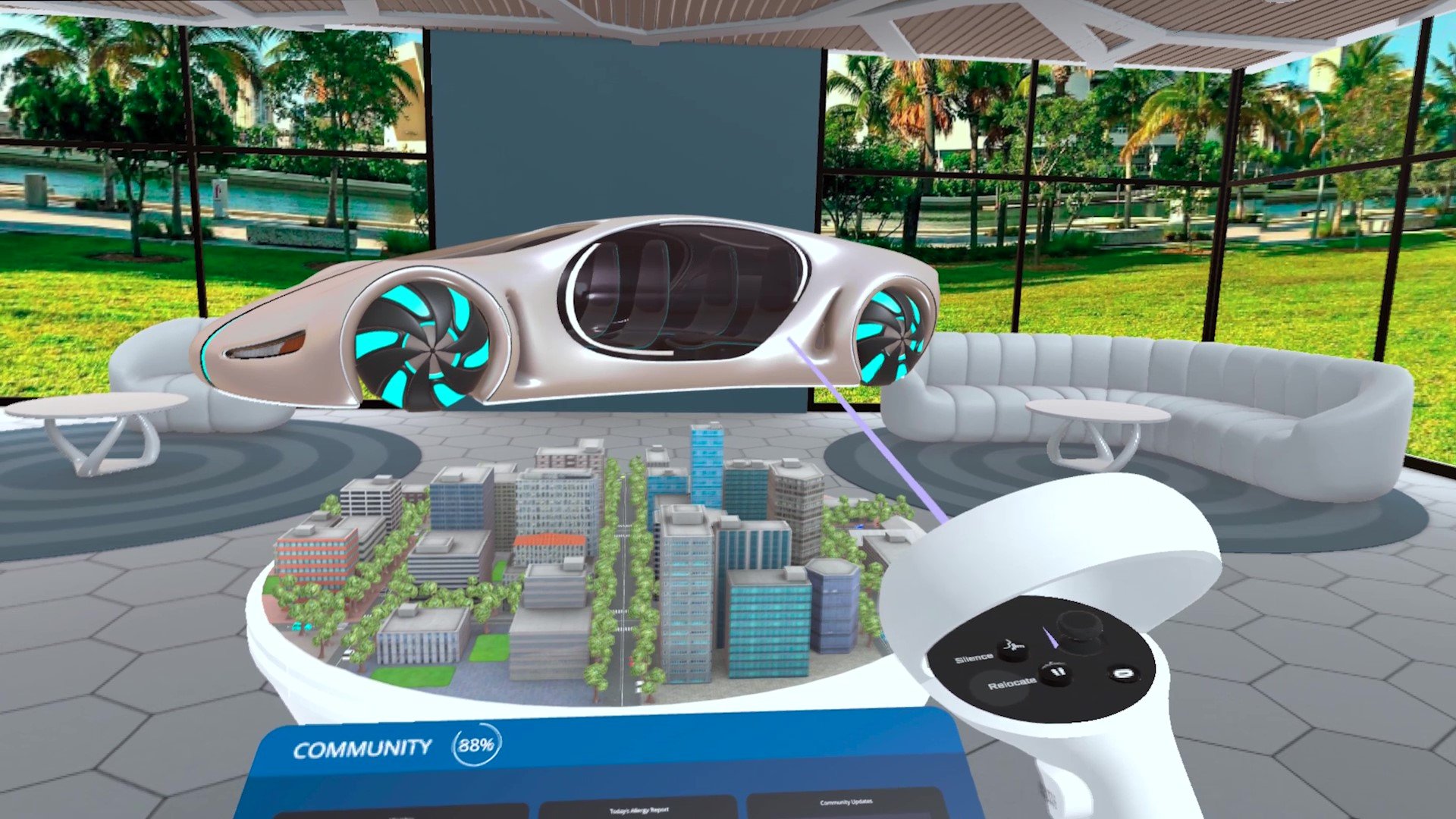
At Second Studio, I led the development of one of the first SaaS VR collaboration tools for 3D modeling. Our goal was to bring productivity tools into the new domain of spatial computing.
Then, at AfterNow, I led the transformation of an AR tool to make AR presentations into Prez, a cross-platform multiuser XR content creation and delivery platform that shipped on HoloLens and Meta Quest.
2D or 3D, no matter the technology or use-case, my questions remain the same:
What does the user need to feel engaged, enabled, and empowered?
That question followed me into five projects as a Systems R&D Consultant at Microsoft, embedded across either Microsoft Research (MSR) or Cloud Operations & Innovation (CO+I).
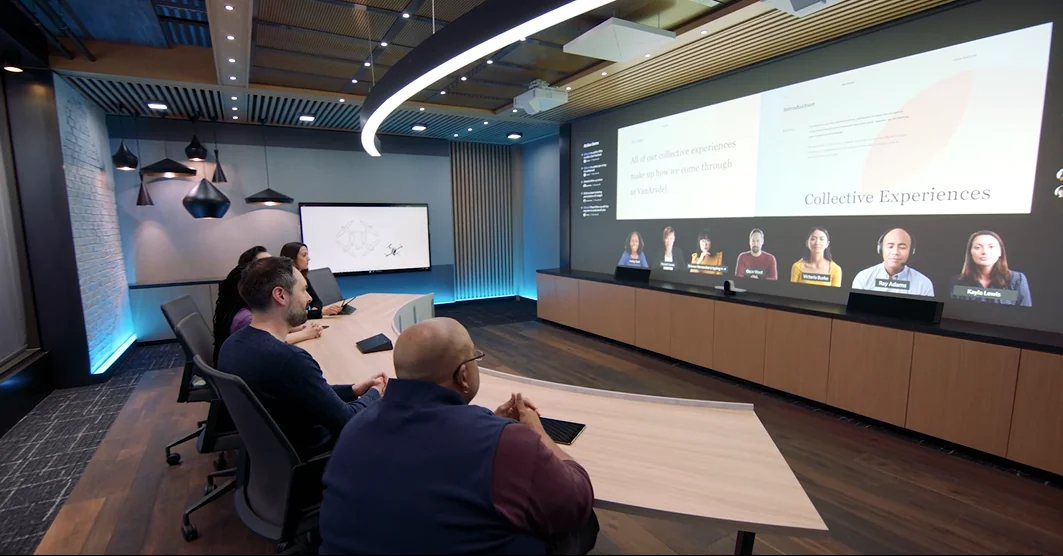
At MSR I contributed to Project Malta, a publicly announced initiative exploring hybrid meeting equity — asking how spatial design could make every participant feel equally present regardless of where they attend a meeting from (in-person, on Teams, or in VR).
At CO+I I led research into technical training using projection mapping, body tracking, and 3D printed components, as well as research into photonics and high-performance parallel computing for next-generation AI infrastructure.
Although that last project deviated from my typical HCD domain, it gave me a solid foundation into the inner workings of the next big frontier: Artificial Intelligence and Machine Learning.
So what is next?
At the new frontier of AI/ML and spatial computing, the question remains the same as it has always been: How do we design systems that genuinely work for people, earn their trust, and keep them in the loop?
These technologies have changed dramatically since that biosensor data glove from my dissertation days. The design problem, at its core, has not. My video review of the Even Realities G2 glasses and R1 ring explores exactly that: human-AI interaction in everyday wearables.
My review of the Even Realities G2 and R1
Want to learn more? Explore my Resume, visit my Projects, or have a chat with JB Proxie!